Transforming your patio into a modern sanctuary starts from the ground up. A checkered outdoor rug is the perfect design tool to anchor your outdoor furniture and provide a high-contrast, graphic punch that feels both classic and contemporary.
In 2026, outdoor living spaces are being treated with the same design rigor as indoor living rooms. The “outdoor room” concept has evolved, and the checkered pattern—a timeless geometric grid—has emerged as the leading choice for homeowners looking to bridge the gap between architectural structure and organic comfort.
Why Choose a Checkered Pattern for Outdoors?
The checkerboard pattern is a design chameleon. In an outdoor setting, it serves several critical functions that plain or overly busy floral rugs cannot match.
1. Architectural Grounding
Outdoor spaces often lack the defined boundaries of walls. A checkered rug provides a strong geometric “footprint” that visually anchors a seating or dining cluster. The repetitive grid acts as a subconscious foundation, making a wide-open deck feel like an intentional “room.”
2. Style Versatility
Whether your patio is outfitted with sleek mid-century modern teak or rustic wrought iron, the checkered grid complements the lines.
- Black and White: For a sharp, modern, or “Parisian Cafe” vibe.
- Navy and Ivory: For a coastal, nautical aesthetic.
- Sage and Cream: For an organic, “Cottagecore” garden feel.
Material Matters: Selecting for Durability
Outdoor rugs face three main enemies: UV rays, moisture, and heavy foot traffic. In 2026, textile technology has advanced significantly, making modern outdoor fibers nearly indistinguishable from natural wool in terms of feel, but vastly superior in performance.
High-Grade Polypropylene (Olefin)
The gold standard for checkered outdoor rugs is solution-dyed polypropylene. Unlike traditional dyeing, where color is applied to the surface of the fiber, solution-dyeing mixes the pigment into the liquid polymer before the fiber is extruded. This means the color goes all the way through, making it virtually immune to sun-fading and bleach.
UV-Stabilized Fibers
Always ensure your rug is specifically labeled as “UV-Stabilized.” This treatment prevents the plastic polymers from becoming brittle and “flaking” after prolonged exposure to the summer sun.
Styling Your Checkered Patio Sanctuary
The Rule of Proportions
When styling a checkered rug, consider the “Scale of the Square.”
- Large 12-inch Checks: Work best in expansive areas to make a bold statement.
- Small 2-inch Gingham Checks: Provide a more textured, “fabric-like” appearance that is perfect for smaller balconies.
Layering for Depth
A major 2026 trend is Outdoor Layering. Try placing a smaller, high-contrast black-and-white checkered rug over a larger, neutral-toned jute-style outdoor rug. This creates a sophisticated, multi-dimensional look that adds immediate designer-level polish to your patio.
Maintenance and Care
A checkered outdoor rug is remarkably low-maintenance, but a few key steps will ensure it lasts for a decade of summers.
- Regular Cleaning: Most outdoor checkered rugs can be cleaned by simply hosing them off with a mild dish soap solution. Avoid using a pressure washer at close range, as this can damage the weave.
- Moisture Management: While the fibers are waterproof, water can get trapped between the rug and your deck. After heavy rain, it’s a good idea to lift a corner of the rug to allow the deck surface underneath to dry, preventing mildew on the wood.
- Winter Storage: If you live in a climate with snow, clean and dry your rug thoroughly, roll it (never fold), and store it in a dry garage or basement during the off-season.
FAQ
What is the best material for an outdoor checkered rug?
For lasting use in sun and rain, high-grade polypropylene (also known as olefin) is a top pick. It is naturally resistant to moisture, mildew, and UV fading. Always ensure your rug is specifically labeled for outdoor use with UV-stabilized fibers.
How do I choose the right size checkered rug for my patio furniture?
Your rug should act as an anchor. For seating areas, ensure at least the front legs of all chairs and sofas rest on the rug. For dining areas, the rug should extend at least 24 inches beyond the table on all sides to allow chairs to move freely.
Will the colors on a checkered outdoor rug fade in the sun?
Quality outdoor rugs are treated with UV inhibitors to resist fading. While some minimal fading can occur over several years of direct exposure, choosing 'solution-dyed' fibers ensures the color goes all the way through the thread, keeping it vibrant much longer.
Can a bold checkered pattern really work with my existing outdoor decor?
Absolutely! The checkered grid is a neutral geometry. Black and white checks offer a modern edge, while navy and ivory add a coastal vibe. The key is to pick one of the rug's colors for your accent cushions to create a unified look.
Where should I place a checkered rug on my deck or patio?
Use the rug to define 'zones.' Place it under your main seating or dining cluster to separate it from the walking paths of your deck. Avoid pushing the rug directly against a wall; letting it 'float' with a small border of deck visible creates a more professional look.
How do I clean and maintain my checkered outdoor rug?
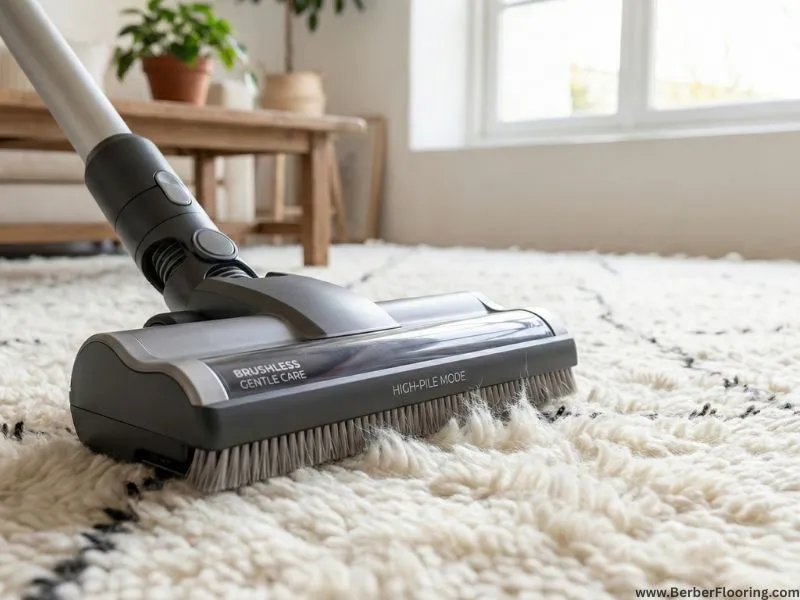
Maintenance is simple: shake it out or vacuum without a beater bar regularly. For spills, use mild soap and water. Most polypropylene rugs can be safely hosed off—just ensure the rug is completely dry before placing furniture back on top to prevent mildew.
How should I store my checkered outdoor rug during the winter?
Clean and dry the rug thoroughly before storage to prevent mold. Roll the rug (never fold, which causes permanent creases) and store it in a cool, dry place like a garage or basement. Keeping it in a breathable rug bag will protect it from dust and pests.